
Somatic and Internal Family Systems Therapy
Online in New York
Currently Accepting New Clients
Easy booking through a direct booking link:
Human Together
·
Internal Family Systems
·
Somatic Therapy
·
Nonviolent Communication
·
Conscious Relating
·
Human Together · Internal Family Systems · Somatic Therapy · Nonviolent Communication · Conscious Relating ·
Healing that includes your whole self: mind, body, and every part of you.
Talking about what hurts can bring real insight. But many of us know exactly why we react the way we do and still feel stuck. That’s because our experiences live in the body and in different parts of ourselves, not only in our thoughts.
My approach brings these layers together. You can expect a blend of three methods, shaped to what you need.
Somatic Therapy…
Somatic therapy brings attention to sensation, breath, posture, and movement. Together, we notice how stress, old wounds, and emotions show up physically, and gently support your nervous system in releasing what it’s been holding. Over time, this builds a deeper sense of safety, presence, and regulation in your daily life.
What this might look like: As you share something difficult, I might invite you to pause and notice what’s happening in your body: a tight jaw, a heavy chest, or the urge to look away. We might slow down your breath, feel your feet on the floor, or let a small movement complete itself, like pressing your hands together or turning toward something comforting. Sometimes we’ll simply stay with a sensation until it shifts. You’re always in charge of how far we go, and nothing requires you to touch or move in ways that don’t feel right.

Parts Work (IFS-Informed)…
Drawing on Internal Family Systems, parts work recognizes that we all have different “parts”: the inner critic, the people-pleaser, the one who shuts down, the younger self who still feels afraid. With parts work, we practice personifying the part. Instead of fighting them, we get curious about their origin and the roles they’ve played in protecting you. As they feel heard, you can lead your life from a calmer, more compassionate center.
What this might look like: If you notice a familiar reaction, like freezing during conflict or criticizing yourself after a mistake, we might turn toward that part with curiosity. I could ask: Where do you feel it? How old does it seem? What is it worried would happen if it stopped? Many people are surprised to find that even their harshest parts are trying to help. Over time, those parts can relax, and younger parts that have carried pain can receive the care they never got. You can speak about your parts, visualize them, or simply sense them; there’s no one right way.

Nonviolent Communication and Conscious Relating
Nonviolent Communication helps you identify what you’re feeling and needing, and express it honestly without blame or defensiveness. Conscious relating brings that same awareness into the moment of connection: noticing what’s happening inside you and between you and another person as it unfolds.
What this might look like: We might take a recent conversation that went sideways and slow it down: what you observed, what you felt, what you needed, and what you’d like to ask for. You could practice saying something hard out loud, like setting a boundary or naming a hurt, and notice how it feels to be heard. Our own relationship becomes a place to practice too. If something I say doesn’t land, you’re invited to tell me, and we’ll explore it together in real time. For couples, this often means learning to pause in the middle of conflict, name what’s present, and respond rather than react.

How These Work Together…
In a session, these methods often weave together naturally. For example, you might be talking about a painful conversation with a parent. We could notice tightness in your chest as you describe it (somatic), get to know the part of you holding that tension and what it’s protecting (parts work), and then explore how you’d like to express your needs the next time you speak with them (Nonviolent Communication).
You don’t need to know anything about these methods beforehand. I’ll guide you, explain what we’re doing and why, and ask for your consent before trying anything new. Some sessions are mostly talking, and others include more body awareness or parts work. We’ll find the balance that feels right for you.
Online Therapy Across New York State
All sessions are held online, so you can work with me from anywhere in New York. Somatic and parts work translate well to video: we’ll work with what you notice in your own body, in your own space. Out-of-network billing support is available.
About me
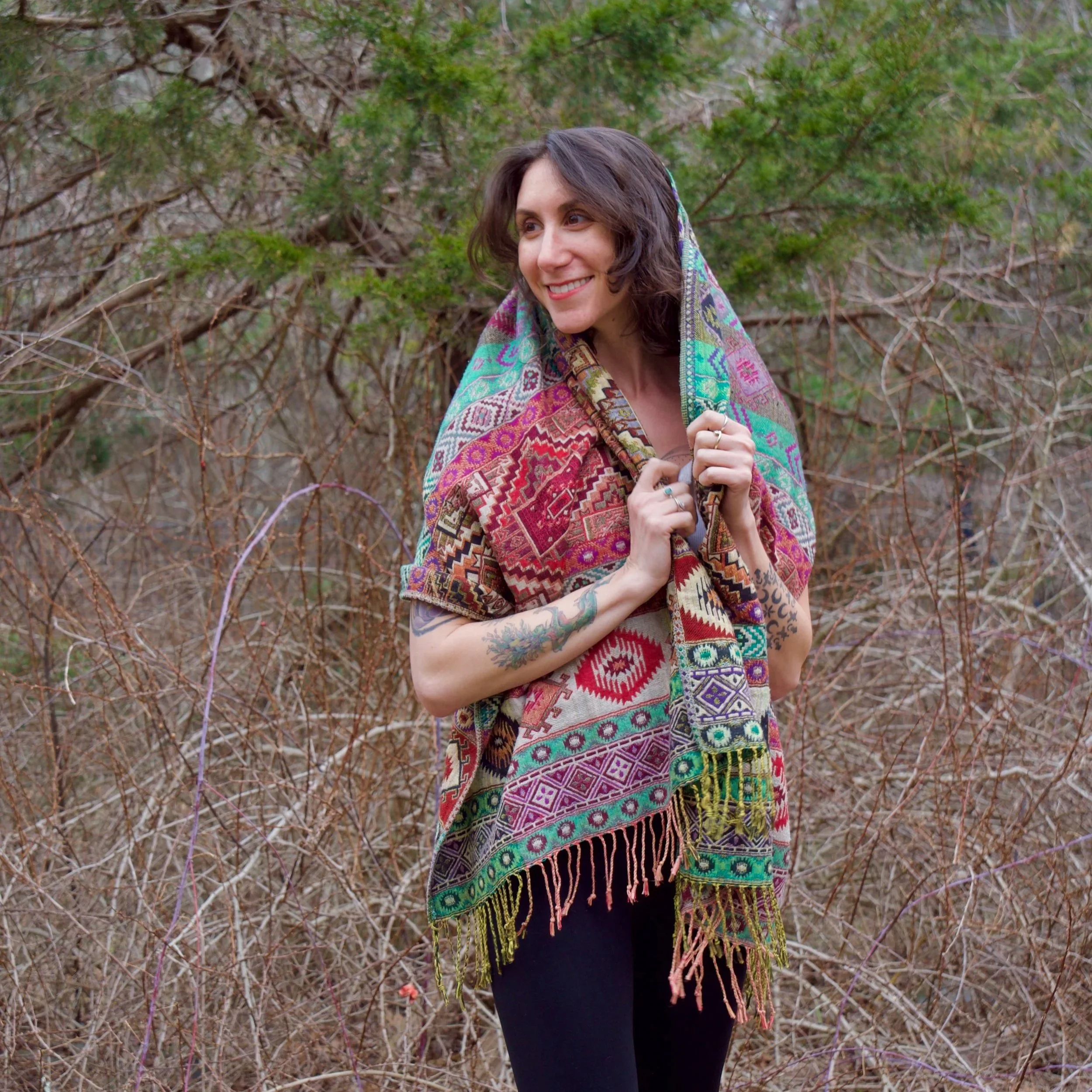
I’m Ronni “Clara Rose,” a psychotherapist and founder of Human Together Psychotherapy. My path into this work began with my own healing, which opened into more than a decade of exploring the mind-body connection.
That exploration shapes every session. I’ve studied the nervous system through Polyvagal Theory with Deb Dana, trained in Internal Family Systems through the IFS Institute and received IFS therapy myself, and I’m a Certified EFT Practitioner. A background in conscious relating, consent, and boundaries keeps me attentive to how power shows up between us. Outside the clinical world, yoga, conscious dance, and contemplative practice keep me grounded and present.
I don’t see myself as the expert on your life. My role is to offer a steady, compassionate presence and the tools to help you listen more deeply to yourself, so you can leave with a felt sense of safety in your body, a kinder relationship with every part of you, and new ways of relating to the people who matter most.